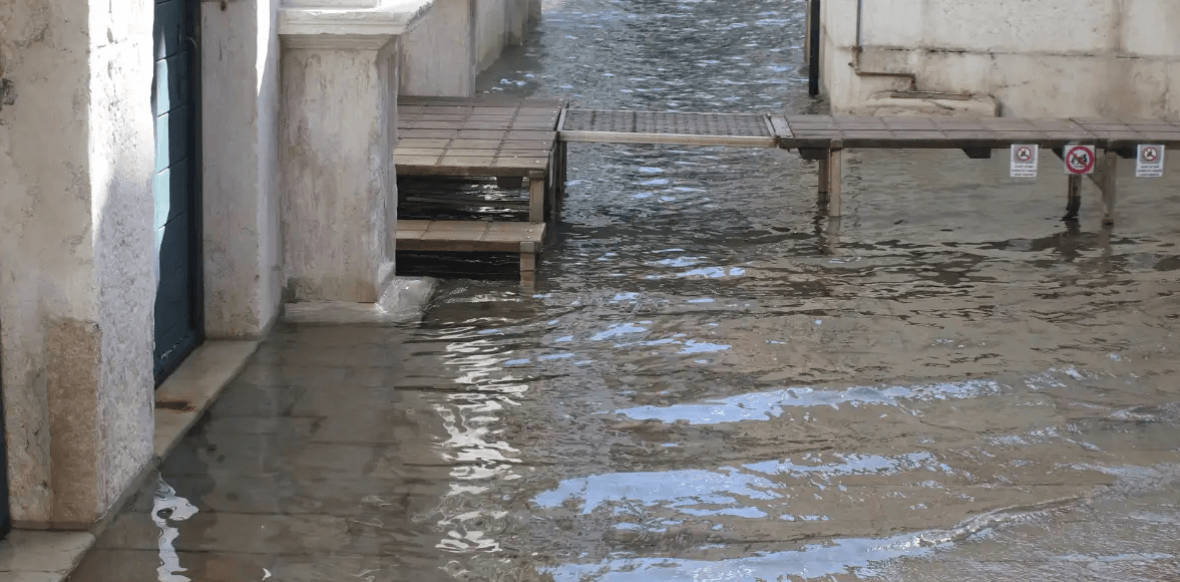
Water damage is one of the most expensive and disruptive problems a commercial property can face. It rarely announces itself loudly. Most of the time, it starts quietly. It can be a faint stain on a ceiling tile, a slight musty smell near a vent, or a floor that feels soft underfoot.
The fact is that by the time the damage becomes obvious, the cost to fix it has already multiplied.
Commercial buildings experience water damage restoration costs averaging $15,000 per incident in office spaces, and detection delay alone inflates that average to $28,500 when a leak goes unnoticed for three weeks or more.
In the US, commercial water damage claims reached 750,000 in a single year, making up 19% of all property claims. The good news is that early detection changes everything, and knowing the signs of commercial water damage and acting on them fast can save a business tens of thousands of dollars and weeks of operational downtime.
Why Commercial Buildings Are Especially Vulnerable
Commercial properties carry more risk than most people realize. They have complex plumbing systems, large roof surfaces, aging HVAC units, and dozens of points where water can enter or leak undetected.
Plumbing leaks alone account for 45% of all water damage incidents across both residential and commercial properties.
HVAC system failures cause 25% of commercial water damage, with average remediation costs reaching $22,000. Sprinkler system malfunctions add another 14% of commercial claims on top of that.
The scale of a commercial building also works against quick detection. A slow leak behind a wall on the third floor might not produce visible signs on the ground floor for weeks. Shared wall cavities and ceiling plenums can carry moisture across large areas from a single point of intrusion. This is exactly why facility managers and property owners need to know what the early warning signs look like before the damage spreads.
Early Signs of Commercial Water Damage
Water damage in commercial buildings rarely appears all at once. There are several; some give a small warning signal while others convey the major issue. These signs are as follows, so you can easily recognize and prevent structural damage, mold growth, and expensive restoration work.
Water Stains on Walls and Ceilings
Yellow, brown, or rust-colored stains on ceilings and walls are often the first visible signs of water intrusion. Even if the stain appears dry, moisture may still be trapped behind the surface.
Peeling Paint or Bubbling Surfaces
Paint that peels, bubbles, or blisters usually points to moisture building up behind walls. Wallpaper lifting at the seams or soft drywall can also indicate hidden leaks.
Musty Odors Inside the Building
A persistent damp or musty smell often signals mold or mildew growth caused by excess moisture. These odors commonly appear near HVAC systems, basements, bathrooms, and utility areas.
Warped or Soft Flooring
Moisture trapped beneath flooring materials can cause carpets to feel damp and hard floors to warp, buckle, or become uneven. Soft or spongy spots underfoot should never be ignored.
Sagging Ceilings
A ceiling that sags or bulges may mean water is pooling above it due to a roof leak, burst pipe, or HVAC issue. This is a serious warning sign that requires immediate attention.
Visible Mold Growth
Black, green, or grey mold patches on walls, ceilings, or vents indicate long-term moisture exposure. Mold can spread quickly and affect indoor air quality in commercial spaces.
Sudden Increase in Water Bills
An unexplained spike in water usage may point to a hidden plumbing leak behind walls, under floors, or beneath the foundation.
Rust or Corrosion Around Pipes
Rust stains and corrosion around pipes, sprinkler systems, or water fixtures often suggest ongoing moisture exposure or slow leaks.
Sticking Doors and Windows
Doors or windows that suddenly become difficult to open or close may indicate moisture-related swelling or structural movement within the building.
White Residue on Concrete or Masonry
A chalky white substance known as efflorescence appears when water moves through concrete or brick surfaces. It is often a sign of moisture intrusion or drainage problems.
How to Spot the Early Signs of Commercial Water Damage
Spotting water damage early in a commercial building takes deliberate attention. The signs are often subtle, and in a busy workplace, they get dismissed as minor cosmetic issues. That is exactly how small leaks turn into five-figure repair bills.
The key is knowing where to look and what to look for.
Start with a Visual Walkthrough
Walk through the entire building with fresh eyes at least once a month. Look up at ceiling tiles for any discoloration, sagging, or soft spots.
Check walls near plumbing runs, restrooms, and kitchenettes for paint that is bubbling or pulling away from the surface.
Look down at the flooring for any tiles that have lifted, seams that have separated, or sections that feel uneven underfoot.
Smell for the Musty Odors
A musty or damp smell that lingers in a specific area of the building is one of the earliest signs of commercial water damage you will encounter. It often appears before any visible sign does.
Mold begins growing within 2 days of water exposure, so a persistent odor means moisture has already been sitting somewhere long enough to cause a problem.
Check Utility Bills Every Month
A water bill that has crept up without any change in building activity is a strong indicator of a hidden leak.
Compare the last three to six months of usage. A steady rise with no clear explanation deserves a plumbing inspection before any visible damage appears.
Inspect High-Risk Areas More Closely
Certain parts of a commercial building carry more risk than others. Flat roof sections, basement walls, HVAC mechanical rooms, sprinkler system connections, and areas around water heaters should get closer attention during every walkthrough.
Look for rust stains around joints and fittings, white chalky residue on concrete or masonry walls, and any pooling water near floor drains.
Pay Attention to How Doors and Windows Behave
A door that recently started sticking or a window that no longer closes flush can point to moisture-related swelling in the building’s frame or subfloor. This sign is easy to overlook because it feels unrelated to water. It rarely is.
Use a Moisture Meter for Hidden Areas
When a visual inspection raises concern but no obvious source is visible, a moisture meter gives a clear reading of what is happening inside walls, ceilings, and floors. Many facility teams keep one on hand for routine checks. Any reading above the normal range for the material type warrants further investigation.
The earlier these signs are noticed, the smaller the repair. Detection delay in commercial water leaks averages three weeks, and that delay alone pushes the average remediation cost from $15,000 to over $28,500. A monthly walkthrough with focused attention costs nothing. Catching one hidden leak early pays for that time many times over.
See also: 12 Iconic Indian and Pakistani Street Foods Loved Around the World
What to Do When You Spot These Signs
Early identification is only half the job. Acting on it quickly is what prevents a small problem from becoming a major one. The first step is to stop the water source if it can be identified, shut off the relevant supply line, or call a plumber immediately.
The second step is to document everything with photos and notes before any cleanup begins, as this supports insurance claims.
The third step is to contact a certified water damage restoration professional. They carry moisture meters, thermal imaging equipment, and drying systems designed for commercial-scale damage.
Attempting to dry a large commercial space with portable fans leads to incomplete drying, hidden mold growth, and significantly higher repair costs later.
Prevention Is Always Cheaper Than Repair
Annual losses from commercial water damage surpass $4 billion in the US from plumbing alone. The total economic cost of water damage across all sectors exceeds $15 billion annually. Behind every one of those numbers is a building that either missed the early signs or waited too long to act.
Scheduled plumbing inspections, HVAC maintenance, roof checks, and regular walkthroughs with attention to the signs above are the most effective tools a commercial property manager has. Water damage does not start with a flood.
It starts with a stain, a smell, a sticky door, or a water bill that looks just a little too high. Catch it early and the repair is manageable. Let it go, and the cost in money, time, and disruption grows fast.